THANK YOU FOR 23 WONDERFUL YEARS
A quarter of a century after discovering kombucha being made by friends on their boathouse in Teddington — and upholding the tradition and standard for making authentic kombucha commercially in the UK ever since! — we are sorry to announce we are winding down our little business in its current format.
As individual GO Kombucha varieties sell out they’ll continue to be available in mixed packs until our entire stock runs dry in September. If ordering in bulk ensure you have enough fridge space — always essential for Ginger Sencha — or somewhere cool to store all other varieties if not (see our summer storage guidance here, and keep an eye on our online shop for availability)…
ALWAYS BOTTLED IN GLASS
When we started brewing kombucha in small batches in 2003, it never occurred to us to make it any other way. We have stayed true to the authentic Ancient Chinese method without adulteration or industrialised processing, and always bottling in glass to this day — the natural and safe medium for living, bacterially active tea.
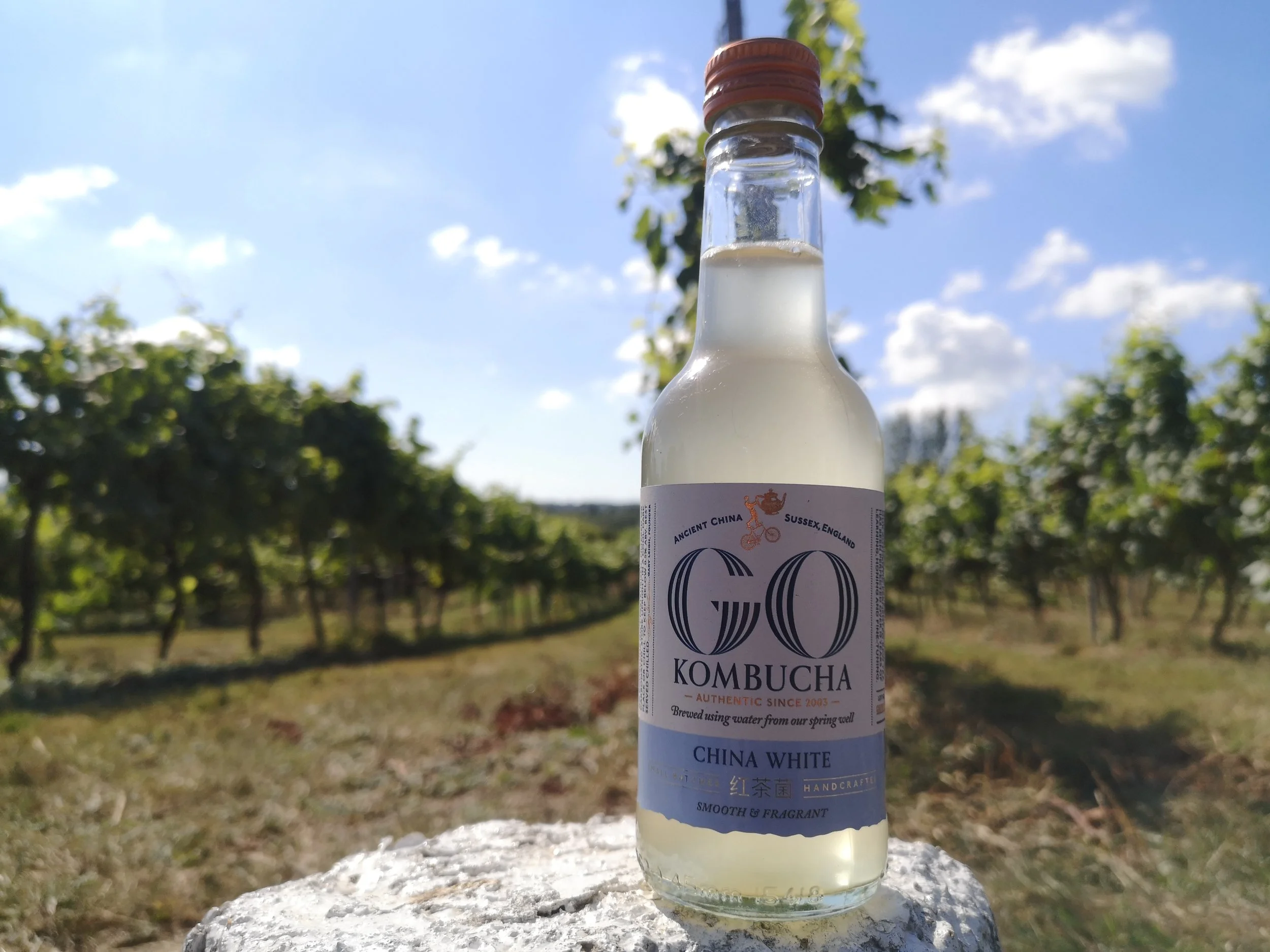
However, sadly our home of 19 years — at a family vineyard in the heart of the beautiful East Sussex countryside (below) with its own spring well that made our kombucha extra special — has been forced into voluntary liquidation; another victim of the attack on small and agricultural businesses.
AT THE HEART OF WHAT WE DO
We’ve looked into every way possible to keep making GO Kombucha, including contract bottlers who could meet our award-winning specifications. But the two key things that make our kombucha real — being entirely unprocessed and bottled in glass — have proven to be the very obstacles standing in the way.
Most soft drink contract bottlers today only pack in cheaper plastic bottles and aluminium cans. Of those who still bottle in glass, pasteurisation is built into their process. Many run a mile when we explain our kombucha is unpasteurised and alive with billions of good bacteria and yeasts!
Not pasteurising — nor applying other industrialised processes like filtration and artificial carbonation — is at the very heart of what we do. It’s what creates honest, wholesome kombucha that is virtually indistinguishable from homemade. Yet this is exactly what many consumers believe they are buying when they pick up “kombucha” in supermarkets.
FALSELY LABELLED KOMBUCHA
It is a sad indictment of the sector we pioneered in 2003 — and paved the way for all who followed — that so many mass-produced “kombucha” brands today are made by contract bottlers using the same instant base mix: a proprietary concentrate called Manna-K that requires no fermentation time.
Beware falsely labelled “kombucha”. These invariably canned drinks are routinely pasteurised and filtered for shelf stability. They pour clear instead of with some cloud (sediment) and cannot grow a SCOBY — yet they still call themselves “kombucha”. Lax, poorly-enforced UK labelling laws allow this deception, as seen with M&S’s new range of 750ml bottled “kombucha” displayed in the ambient soft drinks section whose label doesn’t state all the yeasts have been filtered.
It is simply no longer viable for authentic, wholesome kombucha brands in glass bottles to compete with these cheaply made “imposter brands” in the retail space. Despite being heavily processed or artificial, they still carry the name “Kombucha” on the can. The uninformed consumer will instinctively almost always choose the cheaper option, believing it to be the real thing, unaware they are buying a far inferior product.
KOMBUCHA IN CANS HEALTH RISK?
Some undergo “tunnel pasteurisation” inside the can. Heat kills most live microbes — the raw and, for many buying what they believe to be kombucha, the most essential component — while the active acidic environment can cause aluminium and chemicals from the porous plastic lining to leach into the drink over time — especially if not kept chilled and with long sell-by dates.
No long-term testing has been done on the cumulative effects of trace aluminium and microplastics in the body, particularly their ability to bypass the blood-brain barrier with daily consumption (click here for the potential risk to health of live acidic low pH drinks in cans).
Hence why we have always used glass bottles for GO Kombucha despite the far higher cost. But for most “kombucha” makers today, profit trumps consumer safety and it’s harder to compete with these cheaper, inferior and potentially toxic products that bear little resemblance to real kombucha yet still carry the name. It’s rather ironic that it’s our authenticity and integrity and our refusal to join the herd that beat us in the end…
Thank you for your loyalty over the years. It has meant everything!
Gary Leigh, GO Kombucha Founder [2003-2026]
GO kombucha IS NOW UP FOR SALE
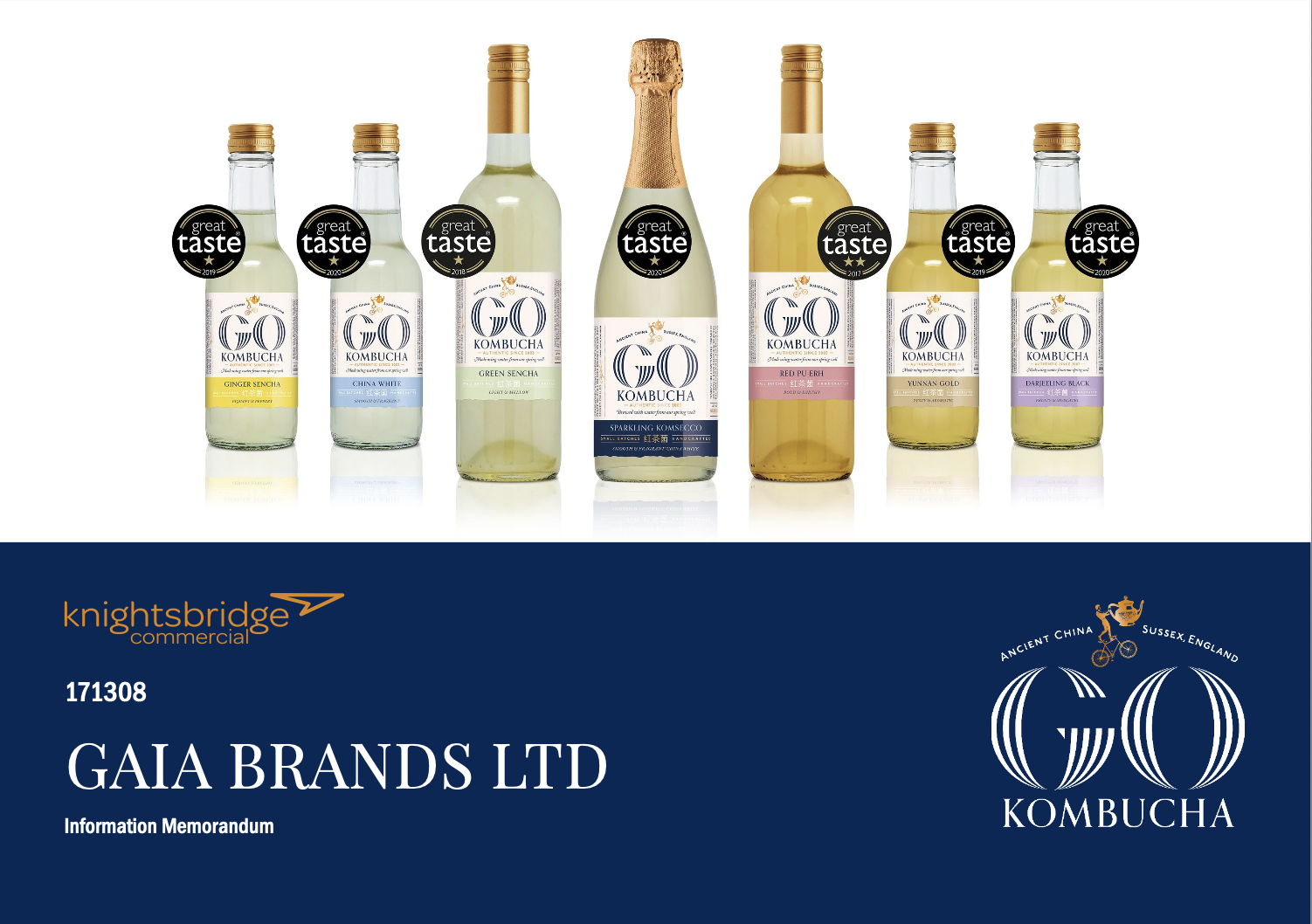
If you’ve always dreamed of starting your own business and want to preserve the heritage of real kombucha, this is a rare opportunity to acquire our equipment and expertise!
You could be brewing within days using our scientifically proven, perfectly balanced method — bypassing years of trial and error. We will spend a full week with you providing hands-on training and ongoing support thereafter to help you create your own kombucha brand.
“HOLY GRAIL OF KOMBUCHA BREWING”
The GO Kombucha brand is also for sale: our proprietary recipe (the holy grail of consistent kombucha brewing!), premium branding, website, social media, 6,000-strong customer base, 23 years of earned goodwill…
I built this business organically from the ground up, without investors or grants. You’ll be acquiring a heritage kombucha business in robust health, with an impeccable trading record — and among the finest of reputations in the global kombucha sector to boot!
For the Information Memorandum, sales prospectus and last 5 years’ turnover/EBITDA email: sales@gokombucha.co.uk (genuine enquiries only).